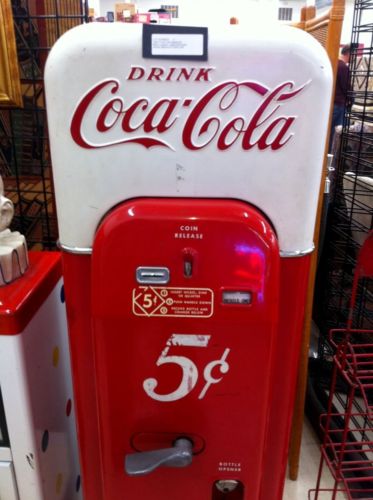
The Coca Cola Company is a very smart Company and is why they have been around for so long. It would have been great only paying a nickel for a soda, but thats not the world we live in today. With tons of competition the price values rise and drop. A soda today ranges from about $1.50 to $2.00. Coke is still a major power in the beverage distribution and their business strategy has to do with that.
Monday, November 26, 2012
RS 9: Why the Price of Coke Didn't Change for 70 Years
Thursday, November 15, 2012
RS 8: Manufacturing the Song of the Summer
This blog post is my analysis on the economic podcast “Manufacturing the Song of the Summer” by Planet Money. This podcast appeared on the Planet Money website on July 8, 2011. This podcast is an overview of how a hit song is made and costs. I figured it was expensive to make a song, but did not realize the exact amounts. According to the podcast to make a hit song costs over a million dollars. This cost is before the song is even a hit! The risk for this can be good or bad. If the song is good it will be played by everyone, but if not you pay all this money to make a crap song. If you think about the amounts of money the top artists make this is not that much to them. Most do not even write their own songs and is part of the costs to make the song. Wednesday, October 24, 2012
RS 7: The Economics of the Music Industry
This blog post is my analysis on the economic podcasts Episode 410: Why K-Pop Is Taking Over The World and “Katy Perry’s Perfect Year” by Planet Money. These podcast appeared on the Planet Money website on January 20, 2012. The podcasts talked about the music industry and the money that is involved with it. Many people do not realize how big the music industry is and the importance it has on our economy. The first podcast talks about how other countries have been trying to master the music industry like the United States. America has the biggest music industry and most popular artists. Recently China has finally found what they have been waiting for years in a artist named Psy. Psy recently put out a hit song in China and has spread all across the world even topping charts in the US.

The music industry is one thing that the United States can say they are the best in. Though the industry is not doing as well as it use to, it is still the best in the world. The music industry helps our economy out and you would not even think too much of it. A lot of money goes into the industry, but who is it actually all going to? There are many people and groups that help to make up the product that they are giving us to listen to and they all want a cut from it. Though Katy Perry was the top on the charts last year, her record label may not have made as much as you think. Money is chipped away at the total constantly to pay those involved and their cuts are expensive. You may be hearing about all these big numbers they make, but they are not taking that all home when all is said and done. People may believe that it's not the fairest thing, but to make the best music you have to spend money to do so. They should jus be happy they are taking home money at all. Lastly, with the hit song "Gangnam Style" putting China's music industry on the map, the US should be aware. This is one of the last things they have over all other countries and a big help to our economy. China has been wanting to take over and step into the spotlight in music and they may now have a chance.
Sunday, October 21, 2012
RS 6: An Economist Gets Stoned
Sunday, October 14, 2012
RS 5: Ken Robinson "Schools Kill Creativity"
This blog post is my analysis on the video “Schools kill creativity" by Ken Robinson. Ken Robinson is an expert in creativity and an entertaining speaker to listen to. Robinson believes that schools are ruining kids ability to be creative. I thought that the topic presented was very unique and interesting. He put things in perspective that may not be able to be said in words. Robinson makes very good points on his point of view, but I do not agree completely with him.Thursday, September 20, 2012
RS 4: Freakonomics Podcast: "Fear thy Nature"
This blog post is my reaction on the podcast “Fear Thy Nature: A New Freakonomics Radio Podcast.” This podcast appeared on the website on September 14, 2012. The podcast is about the actions people go about when they are given masks to wear in a surroundings they do not know well. Students are taken into a theatre and do many different things. When somebody is wearing a mask or "behind the curtain" they do things they normally are not comfortable or wouldn't do. They get a feeling that they are safer or comfort that they can do out of the ordinary things.For example, you do not see bank
robbers running in to banks to show their faces. They wear masks because they
get a feeling that they will not be caught. The same things apply to people
online. Kids post things on websites or say things to other people they
wouldn't say in front of their faces. Xbox live is a prime example of little
kids talking crap over a mic because they know people will never see them.
This podcast can apply to some of the eight guideposts of economics. One that it can apply to is the test of a theory is its ability to predict. The theatre tested a theory that if you place a mask on someone, the actions they display might be different then a room of people with out masks on. The theory was proven correct by people doing things they normally would not. The experiment also can apply to the guidepost of economic actions often generate secondary effects in addition to their immediate effects. When given the mask, a persons characteristics changed from what they were previous. The mask is what is causing it.
Sunday, September 9, 2012
RS 3 Economic Meme
Information is good, but costly: The Jets use information from the preseason to finally learn how to find the end zone in the regular season.
Subscribe to:
Posts (Atom)